

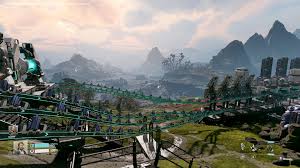
system,Hey factory builders! StarRupture hit Steam Early Access on January 6, 2026, and Satisfactory fans are raving about one game-changing feature: the pull system (aka demand system) on its rails (monorails). Unlike Satisfactory’s push system where belts fill up endlessly, StarRupture’s logistics are demand-driven—machines pull exactly what they need, enabling spaghetti-free spiderweb networks and automatic splitting.
rail guides,If you’re searching for StarRupture pull vs push, rails guide, or why StarRupture factories are easier, this beginner breakdown has you covered. Streamers like CohhCarnage call the pull system “HUGE”—here’s why it revolutionizes automation on Arcadia-7.
Push vs Pull: Core Differences in StarRupture & Satisfactory
| Feature | Satisfactory (Push System) | StarRupture (Pull/Demand System) |
|---|---|---|
| How It Works | Miners/factories push items onto belts nonstop. Long belts from a miner? They fill completely—even with no demand. | Rails stay empty until a machine demands items. Add storage? Ore flows on demand. |
| Network Design | Linear: A → B → C → D. Splitters/sorters needed everywhere to avoid jams. | Spiderweb: Connect everything to one network. Items route intelligently to demand. |
| Splitting | Manual splitters + math for ratios. | Automatic: Network splits intelligently—no sorters needed! |
| Bottlenecks | Constant flow = frequent clogs. | Idle 99% of time—pulls only when needed. Throughput limits exist (upgrade rails!). |
| Pros for Newbies | Familiar, visual feedback. | Easier building, less spaghetti, scalable. |
Visual Proof: In Satisfactory, a lone miner floods belts. In StarRupture, rails ghost until fabricators/smelters “request” ore—pure efficiency.
Why StarRupture’s Pull System Wins for Factory Building
- Spiderweb Networks: Connect miners to a central hub—fabricators pull ore, beams, and plates automatically. No dedicated lines per item!
- No Manual Splitting: Rails intelligently distribute—e.g., titanium ore pulls to rods/plates/beams as needed. Bottlenecks? Upgrade rail tiers or add parallels.
- Idle Efficiency: Bases run passively. Perfect for Tier 1 milestones (Titanium/Wolfram bars) and corporation commissions like Griffits Blue.
- Rupture-Proof: Less clutter = faster rebuilds post-cataclysm. Rails integrate power too—no poles!
Pro Tip: Storage containers act as buffers—place them along rails to maintain flow during upgrades. Demand propagates network-wide.
StarRupture Pull System Tips for Beginners
- Start Simple: Miner → Rail → Storage → Fabricator. Watch it pull!
- Network Math: Match miner output (1/sec) to demand. Multiple rails for high throughput (e.g., composites).
- Common Pitfall: Full downstream storage halts pull—monitor demand.
- Upgrades: Higher rail tiers = more throughput. Power via foundations/rails.
- Co-op Bonus: 4-player teams divide networks—pull scales perfectly.
Satisfactory’s push is tactile but fiddly—StarRupture’s pull is smarter, faster, and future-proof. Streamers agree: “Freaking awesome iteration.”
Loving the pull revolution? Share your StarRupture rail setups or Satisfactory comparisons below! More guides: Base layouts, rupture defense. Wishlist on Steam & build smart, exiles!

